The Future of Community and Mobility Week
Reimagining healthy ageing: Transforming care pathways
EXPO 2025 Thematic Project " Resonance of Lives " (Producer MIYATA Hiroaki)
With an aging population, non-communicable diseases (NCDs) such as cancer, cardiovascular diseases, and respiratory disease have become significant challenges. To extend healthy life expectancy, a transforming care pathways is required to address the various challenges surrounding these NCDs. This event aims to share exemplary initiatives, discuss challenges and solutions, and explore pathways toward transforming healthcare systems for a better future.
Recorded video available
Discussion
| Transmission of simultaneous interpretation | Provided |
|---|---|
| Language of interpretation | Japanese and English |
-

Signature Programme
- Time and
Date of
the event -
-
2025.05.15[Thu]
15:00 ~ 19:30
(Venue Open 14:30)
-
- Venue
- Theme Weeks Studio
Programme details
*Subtitles: Choose “Subtitles/CC” in the “Settings” (gear icon) at the bottom right of the YouTube video.
*Subtitles may not show with multiple languages or overlapping audio.
With the advancement of an aging society, non-communicable diseases (NCDs) such as cancer, cardiovascular diseases, and respiratory disease have become significant challenges for society. To extend healthy life expectancy, a transforming care pathways is required to address the various issues surrounding these NCDs. This event will share excellent initiatives leading to change both overseas and domestically, focusing on COPD among respiratory diseases, and will explore the future of healthcare systems that can diagnose and prevent the progression of NCDs while discussing current issues and solutions, including the recently revealed relationship with cardiovascular disease.
Reports
【Reflection】
Japan is experiencing rapid population aging, and non-communicable diseases (NCDs) such as cancer and COPD (Chronic Obstructive Pulmonary Disease) have become serious social issues. This forum was organized as a place to exchange opinions on innovative approaches and challenges, focusing especially on COPD among the NCDs.
Opening Remarks
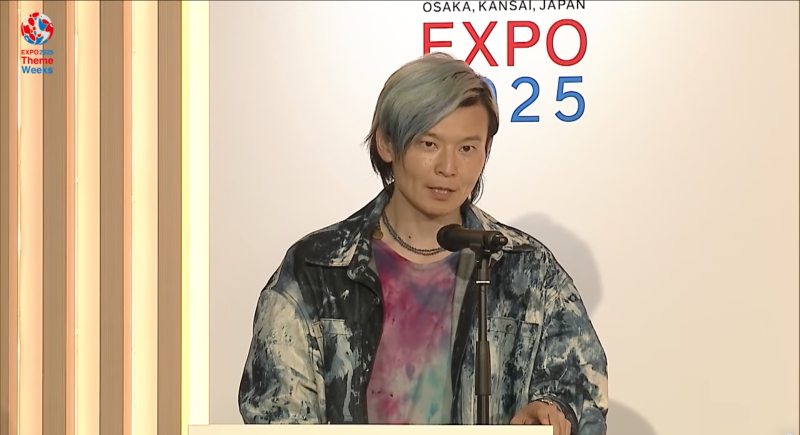
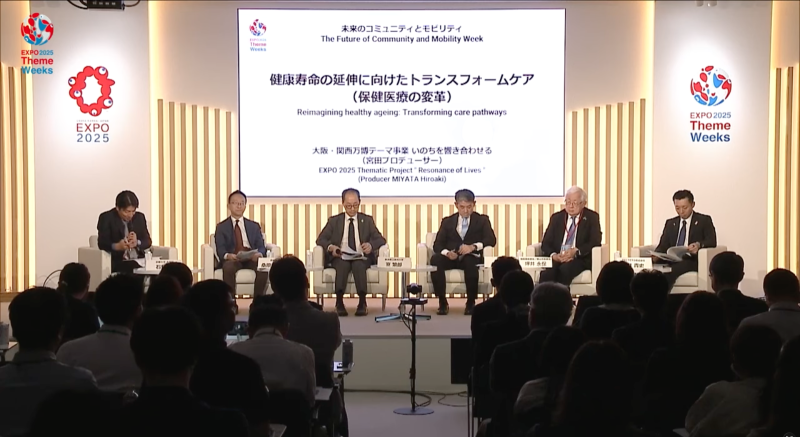
In the opening remarks, Prof. Hiroaki Miyata (Keio University) and Prof. Ryozo Nagai (Jichi Medical University) highlighted that COPD is a disease that often goes unnoticed and carries significant risks as it progresses. They also pointed out challenges such as the lack of sufficient integration of COPD into health screenings and social systems. The importance of collaboration across medicine, government, industry, and civil society was emphasized, along with the significance of the “Better Co-Being” concept and expectations for innovative solutions to address Japan’s aging population and NCDs.
Global Vision to Transform Care
AstraZeneca reported on global efforts to address chronic diseases, rare diseases, and cancer, as well as on the transformation of healthcare systems using innovative technologies like AI. The company shared updates on its drive toward carbon neutrality, examples of successful initiatives from different countries, developments in early detection of COPD and renal diseases, and the latest trends in digital transformation (DX) in healthcare.
Collaborative Achievements in Transform Care Overseas
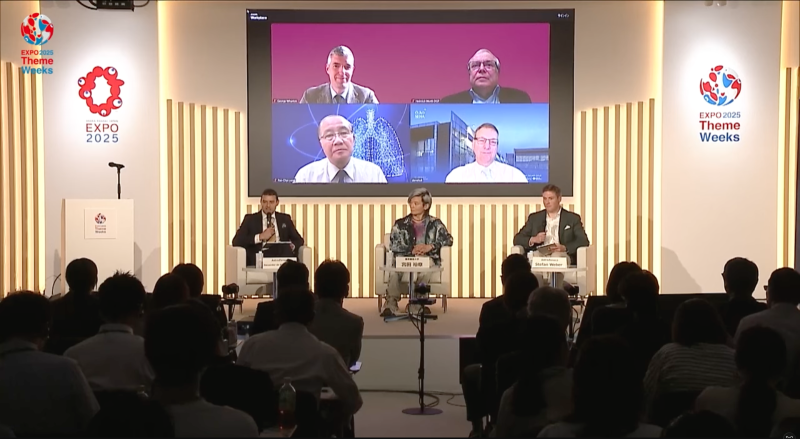
International panelists discussed the importance of collaboration between frontline medical practitioners and policymakers, political support, goal-setting and evidence-gathering, as well as securing funding and incentives for healthcare system reforms. Case studies from Germany’s DMP (Disease management programme), Taiwan’s lung cancer screening, and the UAE’s efforts in kidney disease and CO2 reduction were presented. There was a consensus that Japan also needs integrated NCD measures, early intervention, and transformation using data utilization.
Measures NCDs and Positioning of COPD in ‘Health Japan 21’
Dr. Satoshi Ezoe (Ministry of Health, Labor & Welfare) and Dr. Akihito Yokoyama (Matsuyama Shimin Hospital/Kochi University) explained duties based on “Health Japan 21,” striving to address aging and promote measures against NCDs and COPD. He noted the implementation of multi-faceted approaches, including raising awareness of COPD, improving lifestyle habits, and creating supportive environments. Policy formulation is increasingly considering individual behavioral change and the life course as a whole, with strengthened regional cooperation and international collaboration all aimed at “leaving no one behind” in health promotion.
Data health and its role in guiding policy decisions
Pj. Prof. Yuji Furui (The University of Tokyo) explained the importance of data health policies to extend healthy life expectancy. He emphasized using the vast amount of data collected through Japan’s universal health insurance to evaluate prevention services and intervention outcomes via KPIs, and the value of sharing insights across Japan and Asia. Adopting an EBPM (evidence-based policy making) approach was highlighted as a way to achieve a well-being society, with a focus on transforming social security from simply a cost to an “investment” through healthcare transformation.
COMORE-By2032 activities and challenges to achieve the COPD goals of Health Japan 21/ Considering optimal COPD treatment from the perspective of cardiopulmonary risk
Moderated by Mr. Ryoji Noritake (Health and Global Policy Institute), Prof. Shigeo Muro (Nara Medical University) presented on the impact of COPD on healthy life expectancy, the need for early diagnosis, and efforts to promote early detection and multidisciplinary cooperation through the COMORE-By project. He discussed challenges such as improving awareness and diagnosis rates, securing resources, and building intervention systems from the screening stage. The importance of identifying undiagnosed COPD to extend healthy life expectancy was stressed.
Prof. Koichiro Kuwahara (Shinshu University School of Medicine) introduced the links between COPD and cardiovascular disease, the challenges in diagnosis, issues regarding the wider adoption of spirometry, and the need for stronger collaboration between cardiology and respiratory medicine. He called for further evidence-building in these areas.
Perspectives for the Future and Call for Action
Moderated by Prof. Taku Iwami (Kyoto University), the panel consisted of Mr. Gen Nakagawa (Mayer of Nara city), Dr. Eiyasu Tsuboi (Fukushima Medical Association/ Koriyama Medical Association), Prof. Shigeo Muro, Prof. Koichiro Kuwahara, and Mr. Takafumi Horii (AstraZeneca KK). They discussed the importance of utilizing data health, AI, PHR (Personal Health Records), and other medical DX tools for identifying hidden COPD cases, promoting behavioral change, and extracting high-risk groups. The session culminated in a joint declaration by industry, government, academia, and civil society, aimed at realizing a society where citizens can make use of their health information. Details of this declaration will be summarized in follow-up activities after the forum.
【Post EXPO Initiatives】
In Japan, Chronic Obstructive Pulmonary Disease (COPD) has become a serious issue due to rapid population aging. Currently, only about 380,000 patients receive treatment, while it is estimated that there are more than 5 million undiagnosed and untreated potential patients. In 2023, approximately 16,000 people died from COPD; however, when undiagnosed cases are taken into account, the actual number may reach as high as 60,000, suggesting a significant underestimation. Similarly, while COPD ranks as the 16th leading cause of death in Japan’s domestic statistics, data from the Global Health Observatory (2021) place it at seventh globally, highlighting the urgent need for more accurate awareness and responses. Based on these circumstances, the stakeholders jointly issued the following declaration on the need for sustainable and innovative solutions through collaboration.
1. Epidemiological Redefinition of COPD and Data Enhancement
Currently, epidemiological data on COPD within Japan are insufficient, making it difficult to accurately understand the full scope of the disease. Moving forward, we will collaborate with the national government to establish a scientifically defined, clear disease definition and develop a nationwide data infrastructure, to adequately elucidate the realities of COPD.
2. Support Tools for Clinical Practice and Reinforcement of Hospital-Clinic Collaboration
Based on insights from COMORE-by and relevant societies, we will promote the introduction of simple diagnostic support tools for COPD that can be used by general practitioners. In addition, to facilitate early diagnosis and intervention, we will strengthen collaborative systems between hospitals and clinics to enhance the effectiveness of initiatives in regional healthcare.
3. Promotion of Multidisciplinary Collaboration in Cardiology and Pulmonary Medicine
Though cardiac and pulmonary functions are interrelated, the management of COPD in patients with cardiovascular diseases is still insufficient in clinical settings. We will strengthen cooperation between different departments and establish comprehensive care systems for patients, including nursing and support structures.
4. Continuity and Resource Securing for Regional Healthcare Systems
While efforts have been made to promote COPD management in community healthcare, securing adequate funding and human resources remains a challenge. Looking ahead, we will consider utilizing private sector resources, introduce new approaches such as primary screening with healthcare digital transformation (DX) and online consultations, to build a sustainable healthcare delivery system.
5. PHR Implementation and Clinical Integration Systems
Personal Health Records (PHR) can serve as a valuable information platform for the continuous management of COPD. We will promote the integration with Electronic Health Records (EHR), and develop systems that enable clinical utilization of vital data and life logs.
6. Contribution to National Policy through Municipality-led Evidence-Based Policy Making (EBPM)
When municipalities work to improve health insurance systems, collaboration with other municipalities engaging in similar initiatives and the expansion of pilot projects are critical. Accumulating evidence to inform national policy measures and clarifying indicators for effectiveness, efficiency, and cost-effectiveness in addition to healthcare outcome metrics are required.
7. Sustained Commitment to Transformation
Continuous efforts by stakeholders over multiple years are essential to ongoing improvement of healthcare systems for COPD. To minimize the impact of changes in personnel or systems, including mobilizing private sector support, we will maintain sustainability and momentum in driving improvements, and foster the development of healthcare systems led by local communities.
This proposal aims to improve quality of life (QOL) and extend healthy life expectancy for patients, while realizing sustainable healthcare systems. By working together, leveraging scientific approaches and co-creation, stakeholders will carve out the future of healthcare.
Cast
Moderator

Hiroaki Miyata
Professor, Health Policy and Management, Keio University
View Profile
Close
close
Stefan Weber
Vice president Global Policy, Advocacy, Health Equity AstraZeneca
View Profile
Close
close
Ryoji Noritake
Chair, Health and Global Policy Institute
View Profile
Close
close
Taku Iwami
Professor, Graduate School of Medicine, School of Public Health, Department of Preventive Services
View Profile
Close
close
Speakers
Ryozo Nagai
President, Jichi Medical University
View Profile
Close
close
Ruud Dobber
EVP Biopharmaceuticals Business AstraZeneca
View Profile
Close
close
Alexander de Giorgio-Miller
Senior vice president Global Medical BioPharmaceuticals AstraZeneca
View Profile
Close
close
Stephen Holt
Professor Director and CEO of SEHA Kidney Care, UAE
View Profile
Close
close
Heinrich Worth
Pneumological and Cardiological Practice, Germany
View Profile
Close
close
George Wharton
Associate Professor of Health Policy, London School of Economics, UK
View Profile
Close
close
Pan-Chyr Yang
Chair Professor, National Taiwan University College of Medicine, Taiwan
View Profile
Close
close
Satoshi Ezoe
Senior Assistant Minister for Global Health, Ministry of Health, Labor & Welfare
View Profile
Close
close
Akihito Yokoyama
Member of the MHLW's Next National Health Promotion Plan (starting in FY2024) Development Committee/Advisor and Director, Respiratory and Allergy Center, Matsuyama City Hospital/Professor Emeritus, Kochi University
View Profile
Close
close
Shigeo Muro
Professor, Department of Respiratory Medicine, Nara Medical University
View Profile
Close
close
Yuji Furui
Project Professor, Institute for Future Initiatives, The University of Tokyo/Visiting Professor, Jichi Medical University
View Profile
Close
close
Koichiro Kuwahara
Professor, Department of Cardiovascular Medicine, Shinshu University School of Medicine
View Profile
Close
close
Gen Nakagawa
Mayer of Nara city
View Profile
Close
close
Eiyasu Tsuboi
Vice President, Fukushima Medical Association/President, Koriyama Medical Association
View Profile
Close
close
Takafumi Horii
SVP Japan Country President AstraZeneca
View Profile
Close
close
Co-organiser
AstraZeneca K.K.
The Future of Community and Mobility Week
Reimagining healthy ageing: Transforming care pathways
With an aging population, non-communicable diseases (NCDs) such as cancer, cardiovascular diseases, and respiratory disease have become significant challenges. To extend healthy life expectancy, a transforming care pathways is required to address the various challenges surrounding these NCDs. This event aims to share exemplary initiatives, discuss challenges and solutions, and explore pathways toward transforming healthcare systems for a better future.
-
2025.05.15[Thu]
15:00~19:30
(Venue Open 14:30)
- Theme Weeks Studio
- * Programme times and content are subject to change. Any changes will be announced on this website and via the ticket booking system.
- * The schedule is subject to change depending on the organiser's circumstances.
OTHER PROGRAM
The Future of Community and Mobility Week